Join our Whatsapp Community for Daily Price Sheets and News

Commodity Market Reacts: Crude Oil Futures Surge Amid New Trade Dynamics, Cottonseed Oilcake Contracts Dip on NCDEX

Neha Sharma
3 min read
Commodity Market Reacts: Crude Oil Futures Surge Amid New Trade Dynamics, Cottonseed Oilcake Contracts Dip on NCDEX

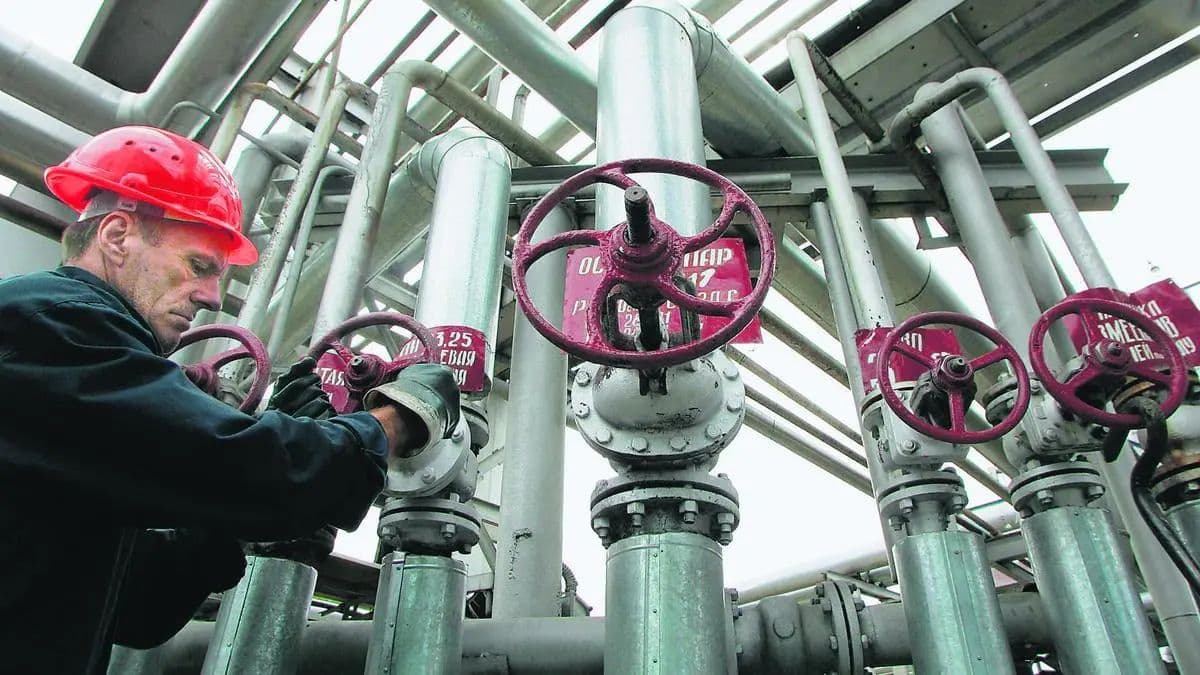
Crude oil futures experienced a notable increase following a new trade agreement between the US and EU, signaling potential shifts in global energy demands. Simultaneously, trading on the National Commodity and Derivatives Exchange (NCDEX) saw cottonseed oilcake contracts decline, reflecting nuanced market adjustments across commodity sectors. These developments underscore the complex interplay of international trade policies and commodity market behavior.

The commodity market is currently witnessing significant activity, particularly in the energy sector, as crude oil futures reacted positively to the recently announced trade agreement between the United States and the European Union. The deal, which aims to recalibrate trade relations, has sparked optimism, leading to increased futures trading.

At 9.58 am on Monday, October Brent oil futures were recorded at $67.91, marking a 0.37 per cent increase, while September crude oil futures on WTI (West Texas Intermediate) also saw a 0.37 per cent rise, trading at $65.40. These upticks reflect market anticipation of potential shifts in energy demand influenced by the new trade dynamics.

However, not all commodities are experiencing the same upward trajectory. On the National Commodity and Derivatives Exchange (NCDEX), August cottonseed oilcake contracts saw a downturn. During the initial trading hour on Monday, the contracts were trading at ₹3186, a decrease of 0.96 per cent compared to the previous close of ₹3217. This decline suggests adjustments in the agricultural commodity sector, possibly influenced by local supply-demand factors and investor sentiment toward specific agricultural products.

In related news impacting the broader energy market, the US-EU trade agreement introduces a 15 per cent tariff on European exports to the US, a less severe outcome than the previously threatened 30 per cent tariff. Moreover, the EU has committed to increasing its purchases of US energy and military equipment, signaling a strategic shift in energy sourcing and transatlantic cooperation. Warren Patterson and Ewa Manthey from ING Think highlighted that the EU's ongoing efforts to reduce dependency on Russian natural gas, aiming to end all Russian gas imports by 2027, are expected to further drive up demand for US energy resources.

Meanwhile, market participants are keenly awaiting the upcoming OPEC+ meeting on August 3, where decisions on September output levels will be made. There is growing speculation that OPEC+ may announce another substantial supply hike for September, encouraged by the resilience of oil prices despite recent supply increases. Analysts predict that OPEC+ will likely complete the full return of 2.2 million barrels a day of additional voluntary supply cuts by the end of September, potentially leading to a supply hike of at least 280,000 barrels a day. Some analysts foresee room for an even more aggressive increase, depending on global economic conditions and energy demand projections.

On the other hand, August natural gas futures on MCX were trading higher at ₹275.30, up by 0.69 per cent, while August turmeric futures on NCDEX experienced a decline, trading at ₹12862, down by 0.73 per cent.

These market movements reflect a complex interplay of global trade policies, strategic energy shifts, and localized supply-demand dynamics. Investors and stakeholders are closely monitoring these developments to adapt their strategies accordingly, underscoring the fluid and interconnected nature of the commodity market. The contrasting trends observed across different commodity sectors highlight the importance of diversified investment approaches and continuous market monitoring to navigate the evolving landscape.


Share this article:
Back to All News

Our Blogs

Our blog provides insightful information about unlisted shares, offering a deeper understanding of how these assets work, their potential benefits, and the risks involved. Whether you're new to unlisted shares or looking to expand your knowledge, we cover topics such as investment strategies, valuation methods, market trends, and regulatory aspects. Stay updated with expert tips and guides to navigate the unlisted share market effectively.

FAQ's

What are unlisted shares?

+

Unlisted shares are stocks of companies that are not listed on any stock exchange, meaning they are not publicly traded. These shares are typically available for trade in the private market through brokers, and can offer unique investment opportunities.

How can I buy unlisted shares?

+

You can buy unlisted shares through a broker or platform that specializes in unlisted share transactions. We provide a secure and easy way to purchase unlisted shares from top companies, ensuring a smooth transaction process.

What is the share price of unlisted companies?

+

The share prices of unlisted companies can fluctuate based on various factors like market demand, company performance, and private transactions. You can check the latest share prices for unlisted companies on our website for real-time updates.

Are unlisted shares a good investment?

+

Unlisted shares can offer higher growth potential, as they are typically not subject to the same market volatility as listed shares. However, they come with higher risk due to limited liquidity and availability of information. It's important to research thoroughly and consult experts before investing.

How can I sell unlisted shares?

+

To sell unlisted shares, you can connect with a broker or platform that facilitates the sale of private stocks. We help investors buy and sell unlisted shares with ease, ensuring that your transaction is handled professionally and securely.

What are the risks of investing in unlisted shares?

+

Yes, unlisted shares can eventually be listed on a stock exchange through an Initial Public Offering (IPO). This process allows the company to offer its shares publicly and be traded on major exchanges, potentially increasing liquidity and visibility.

What is the share price of unlisted companies?

+

Gains from unlisted shares are subject to capital gains tax in India. Short-term capital gains (if held for less than 24 months) are taxed at your applicable income tax rate, while long-term capital gains (if held for more than 24 months) are taxed at 20% with indexation benefits. Always consult a tax advisor for precise tax implications.

How do I know the current value of unlisted shares?

+

The value of unlisted shares is typically determined by private transactions, financial reports, and market demand. We provide the latest updates on share prices of unlisted companies, giving you the most accurate valuation available.

Is there a minimum investment amount for unlisted shares?

+

The minimum investment for unlisted shares can vary depending on the company and broker. Generally, the minimum investment is higher than for listed stocks, but we provide detailed information to help you make the best investment decisions.

Can I get a dividend from unlisted shares?

+

Yes, unlisted shares may pay dividends if the company has declared them. However, since these companies may be in their growth stage, dividend payments are not always guaranteed. It's important to check the company's financial health before investing.

How do I know which unlisted shares are worth investing in?

+

It's important to conduct thorough research on the company's financials, management, market potential, and overall business model. You can also seek professional advice from experts to help you choose unlisted shares with strong growth prospects.

Are unlisted shares taxed?

+

Gains from unlisted shares are subject to capital gains tax in India. Short-term capital gains (if held for less than 24 months) are taxed at your applicable income tax rate, while long-term capital gains (if held for more than 24 months) are taxed at 20% with indexation benefits. Always consult a tax advisor for precise tax implications.

WhatsAppContact Us